How Cold Weather Affects Tire Pressure
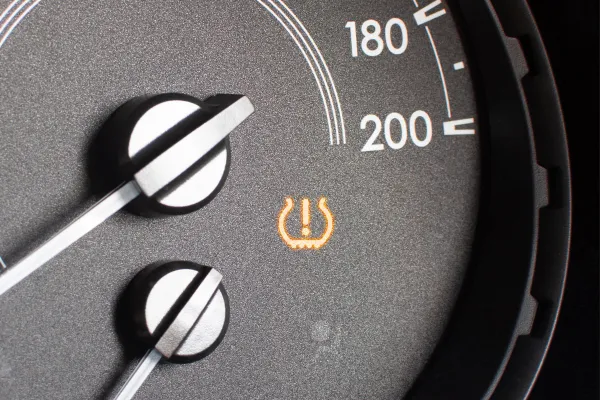
Ever noticed your tire pressure light come on during a cold snap? It’s not your imagination — tire pressure drops as temperatures fall, and it happens faster than most drivers expect.
Ignoring it can lead to poor traction, uneven wear, or even a flat tire when you least expect it.

Why Cold Weather Drops Tire Pressure
Tire pressure drops about 1 PSI for every 10°F drop in temperature. That’s because the air inside your tires contracts as it gets colder.
So when Albuquerque hits a cold front overnight, your tire light may come on by morning — even if you had perfect pressure the day before.
What Low Tire Pressure Does to Your Car
Driving on under-inflated tires can affect more than just your MPG:
❌ Reduced traction: Especially dangerous on icy or wet roads
❌ Uneven tire wear: Leading to early replacements
❌ Higher chance of blowouts: From extra stress on the tire walls
Even being 3–5 PSI low is enough to throw off handling and shorten your tires’ lifespan.

When & How to Check Tire Pressure in Winter
Check tires first thing in the morning before driving
Use a reliable tire gauge — not just the dashboard light
Inflate to the manufacturer’s spec (found in your door jamb or owner’s manual)
Don’t forget the spare tire!
Need help? Swing by Independent Vehicle Service and we’ll check it for you — no appointment needed.
FAQ: Should I over-inflate my tires to compensate for cold?
A: No. Stick to the recommended PSI. Over-inflating can reduce grip and cause its own wear problems.
We Keep Your Tires Road-Ready
At Independent Vehicle Service, our team knows how Albuquerque’s weather affects your vehicle. We can inspect your tires, set the correct winter pressure, and help you avoid uneven wear and dangerous blowouts.
📞 Call 505-247-9771 to schedule a tire check or winter inspection today
